The winners 2026

The winners of the CONSTRUCTIVE WORLD AWARD 2026 have been announced.

Selected from a large number of outstanding submissions, the award-winning entries were honored during the awards ceremony held in Berlin at the beginning of June. Their work powerfully demonstrates how constructive journalism can open up new perspectives, highlight solutions, and support societal change.

We warmly congratulate the award winners and thank all participants for their commitment and inspiring contributions.

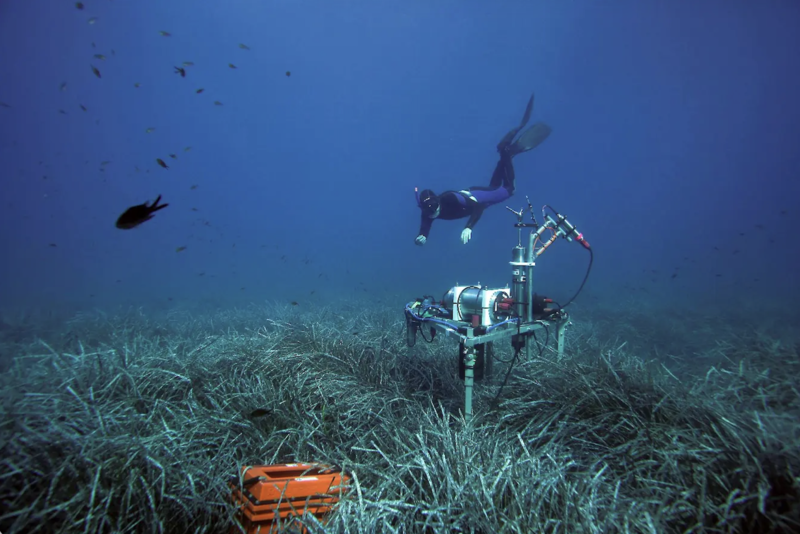
Protecting the city from floods

Media professional: Gustav Hofer 

Protagonist: Kongjian Yu (1963 – 2025), Mette Skjold

Kongjian Yu (1963-2025) is counted among the most influential landscape architects of our time. The Chinese urban planner and professor at the Peking University attracted international attention with his concept of sponge cities: Cities are not supposed to block water out, but absorb, store, and drain it in a controlled way – as an answer to climate change, heavy rain, and flooding.  

Due to the extremes of climate change, cities are under growing pressure. Torrential rainfall, deadly floods, and months-long droughts have long since become part of reality as traditional urban infrastructure is not adapted to the new water and weather patterns. Classic concepts of sealing and the fast drainage of water heighten these risks instead of minimising them. 

Read more

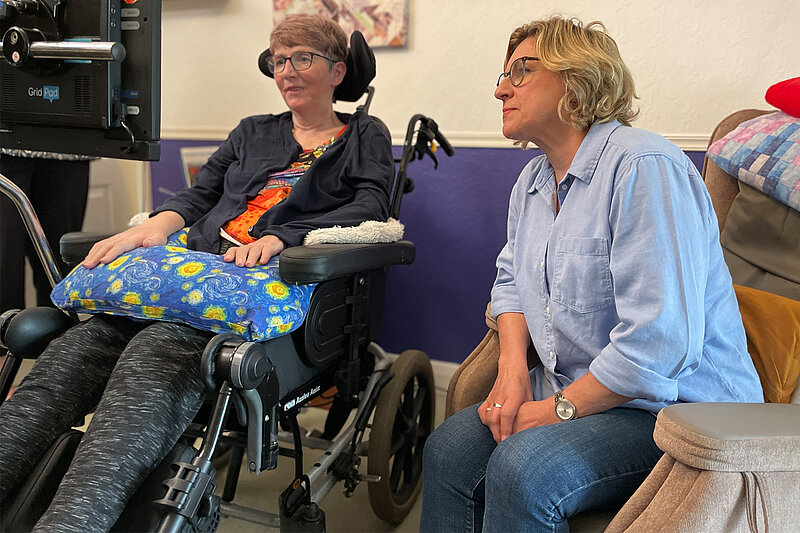
Perspectives through prostheses

Media professional: Carolin Lemuth 

Protagonist: Karsten Schulz 

In Uganda, there are few opportunities for people with disabilities to receive appropriate medical care. Many have no prostheses or ones that fit poorly. Children affected are often abandoned by their mothers and cared for by their grandmothers, who are often in frail health themselves, under inhumane conditions. They live in abandoned cottages in the jungle and have medical aids that are completely outdated and unsuitable for their environment, such as distorted, rusty wheelchairs. An association from Usingen, in southern Hesse, has been providing prostheses and orthopaedic aids to those affected in Uganda for over ten years. 

Read more

Energy transition at home – affordable electricity for tenants

Media professionals: Jasmin Cilesiz Linhart & Annette Hoth

Protagonist: Timo Leukefeld 

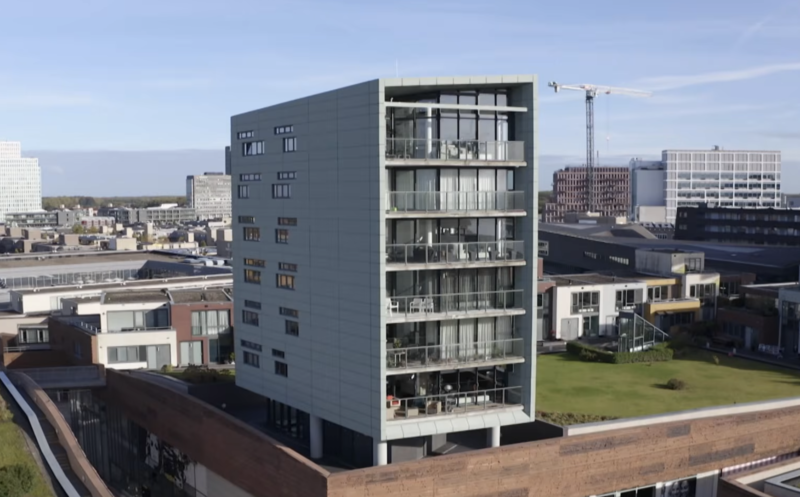
Every little balcony power plant counts. To achieve the great energy transition, we require many people to participate. Creative minds have found solutions to make this work regardless of one’s budget. Nonprofit associations, architects and engineers have been working on affordable energy storage, stable rents and low service charges to get as many people as possible on board. Many small steps towards one goal: to make Germany climate-neutral by 2045.

Read more

Warm welcome!

Media professional: Katrin Groth 

Protagonists: Jörg Flügge, Sebastian Heuchel, Harish Reddy Sunkara & Ye Yun Khor

Emigration, over ageing, right-wing extremism; companies in rural areas occasionally struggle to attract skilled personnel. Especially people from abroad hesitate to settle down in Germany. In Saalfeld, Thuringia this problem is evident, as young people leave the region due to a lack of work and perspectives. Those who remain experience growing frustration and increasingly agree with right-wing populist rhetoric. This is shown by election results as well as incidents in the businesses. A vicious cycle. And a threat to democracy. Thuringian software company Batix has paired up with civil society stakeholders and the local office “Partnership for Democracy” to help its own skilled personnel from India and Malaysia settle in and stay in their new home.

Read more

Back to life – depression in adolescents

Media professional: Kristin Kasten 

Protagonist: Amy Striehn, Gunnar 

Depression is one of the most common mental illnesses in adolescents, affecting approximately six percent. This means that statistically, there are one or two teenagers in every classroom at a secondary school who suffer from depression. And the illness can be deadly, as it significantly increases the risk of suicidal thoughts. Around 200 minors take their own lives in Germany every single year. Suicide is thus one of the most frequent causes of death in this age group. 

What Amy’s story goes to show is how vital attentive caregivers can be in an educational environment: A teacher recognises warning signs, takes responsibility, and initiates professional help.

Read more